
- English
- Español
- Português
- русский
- Français
- 日本語
- Deutsch
- tiếng Việt
- Italiano
- Nederlands
- ภาษาไทย
- Polski
- 한국어
- Svenska
- magyar
- Malay
- বাংলা ভাষার
- Dansk
- Suomi
- हिन्दी
- Pilipino
- Türkçe
- Gaeilge
- العربية
- Indonesia
- Norsk
- تمل
- český
- ελληνικά
- український
- Javanese
- فارسی
- தமிழ்
- తెలుగు
- नेपाली
- Burmese
- български
- ລາວ
- Latine
- Қазақша
- Euskal
- Azərbaycan
- Slovenský jazyk
- Македонски
- Lietuvos
- Eesti Keel
- Română
- Slovenski
- मराठी
- Srpski језик

How Vintage Aluminum Polarized Sunglasses Combine Style and Function
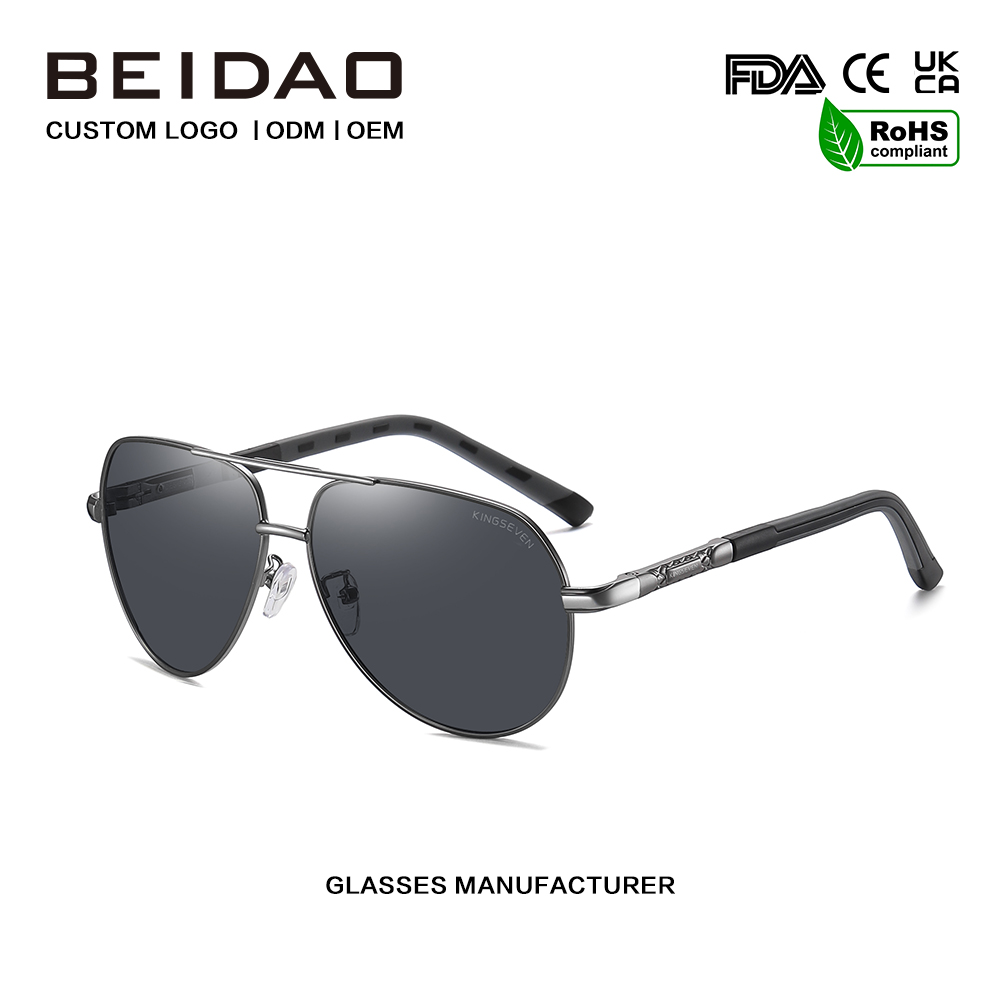
Vintage Aluminum Polarized Sunglasses represent an interesting combination of traditional eyewear design and modern optical technology. As consumer preferences continue to evolve, the eyewear industry is paying greater attention to products that balance visual identity, material performance, and everyday usability. Retro-inspired frames have maintained their presence in fashion, while polarized lenses have become an important functional feature in outdoor eyewear.
The Continued Influence of Vintage Eyewear Design
Vintage eyewear styles draw inspiration from designs that became popular during earlier decades. Common characteristics include distinctive frame outlines, relatively simple structural details, thin metal temples, and balanced proportions. These design elements have remained relevant because they can be adapted to different fashion preferences without losing their original visual identity.
In contemporary eyewear manufacturing, vintage-inspired designs are not necessarily exact reproductions of historical products. Manufacturers often reinterpret traditional shapes through updated materials, improved assembly methods, and modern lens technologies. This approach allows classic styling to coexist with current expectations for comfort and functionality.
Aluminum has become one of the materials considered in this design process. Its metallic appearance is compatible with retro-inspired aesthetics, while its relatively low density makes it suitable for eyewear frames where weight is an important consideration.
Why Aluminum Matters in Eyewear Manufacturing
Frame material influences several aspects of sunglasses, including weight, rigidity, corrosion behavior, surface finishing, and long-term maintenance. Aluminum offers a useful combination of low density and structural strength, making it applicable to different types of metal eyewear construction.
Compared with some heavier metal materials, aluminum can help reduce the overall weight of a frame. This characteristic may improve wearing comfort, particularly when sunglasses are used for extended periods. However, the final result depends on frame thickness, alloy composition, hinge construction, and manufacturing precision.
Surface treatment also plays an important role. Processes such as anodizing and other protective finishing methods can influence the appearance and surface durability of aluminum frames. Different finishes may produce matte, brushed, or polished effects, supporting the visual characteristics commonly associated with vintage eyewear.
Understanding Polarized Lens Technology
Polarized lenses serve a different purpose from frame materials. Their primary function is to reduce reflected glare, especially light reflected from relatively flat surfaces such as roads, water, and vehicle bodies.
Reflected light can become strongly horizontally polarized under certain conditions. A polarizing filter is designed to reduce much of this horizontally polarized light, helping improve visual comfort in bright outdoor environments.
This technology is particularly relevant to driving, fishing, boating, and other activities where reflected glare can interfere with visibility. However, polarization should not be confused with ultraviolet protection. UV protection is a separate lens characteristic, and consumers should check the stated UV specifications when evaluating sunglasses.
Combining Frame Design with Optical Function
The relationship between frame construction and lens performance is an important part of modern sunglasses development. Vintage Aluminum Polarized Sunglasses illustrate how these two elements can serve different but complementary purposes. The aluminum structure contributes to the product's physical design and weight characteristics, while polarized lenses address reflected glare.
Successful integration requires attention to lens dimensions, frame alignment, hinge positioning, nose support, and overall fit. A frame that looks balanced may still require adjustments to provide appropriate positioning on different face shapes. Similarly, lens curvature and optical quality influence the viewing experience.
Manufacturing consistency is another consideration. Accurate frame dimensions and secure lens installation help maintain structural stability during normal use. Quality control processes may include inspections of surface finishing, hinge movement, lens alignment, and frame symmetry.
Changing Consumer Preferences in the Sunglasses Market
The contemporary eyewear market reflects growing interest in products that combine recognizable design characteristics with practical features. Some consumers prefer minimalist frames, while others are attracted to retro-inspired silhouettes that create a stronger visual identity.
Vintage Aluminum Polarized Sunglasses fit within this broader design direction by connecting established fashion influences with a functional optical feature. Their appeal is not limited to one particular age group or fashion category, as vintage styling can be interpreted through different frame shapes, colors, and finishing techniques.
At the same time, purchasing considerations have become more detailed. Frame weight, lens clarity, UV protection, polarization, fit, and material durability are all factors that may influence product evaluation. These characteristics demonstrate that sunglasses are both fashion accessories and functional optical products.
Future Developments in Metal Sunglasses Design
Further developments in eyewear manufacturing are likely to focus on material optimization, improved surface treatments, more precise assembly, and continued refinement of lens technologies. Lightweight frame construction remains relevant as manufacturers explore ways to improve wearing comfort without compromising structural stability.
Design development may also involve combining traditional metal frame shapes with updated color treatments and contemporary lens options. These changes allow established eyewear styles to remain relevant while responding to evolving expectations regarding appearance and everyday performance.
Conclusion
The combination of retro-inspired design and modern optical features reflects a broader direction in the eyewear industry. Aluminum provides a lightweight metal construction option, while polarized lenses help reduce reflected glare in suitable outdoor conditions. Together, these characteristics demonstrate how traditional aesthetics can be integrated with contemporary functional requirements. As material engineering and optical technology continue to develop, Vintage Aluminum Polarized Sunglasses remain an example of the relationship between classic eyewear design and modern everyday usability.